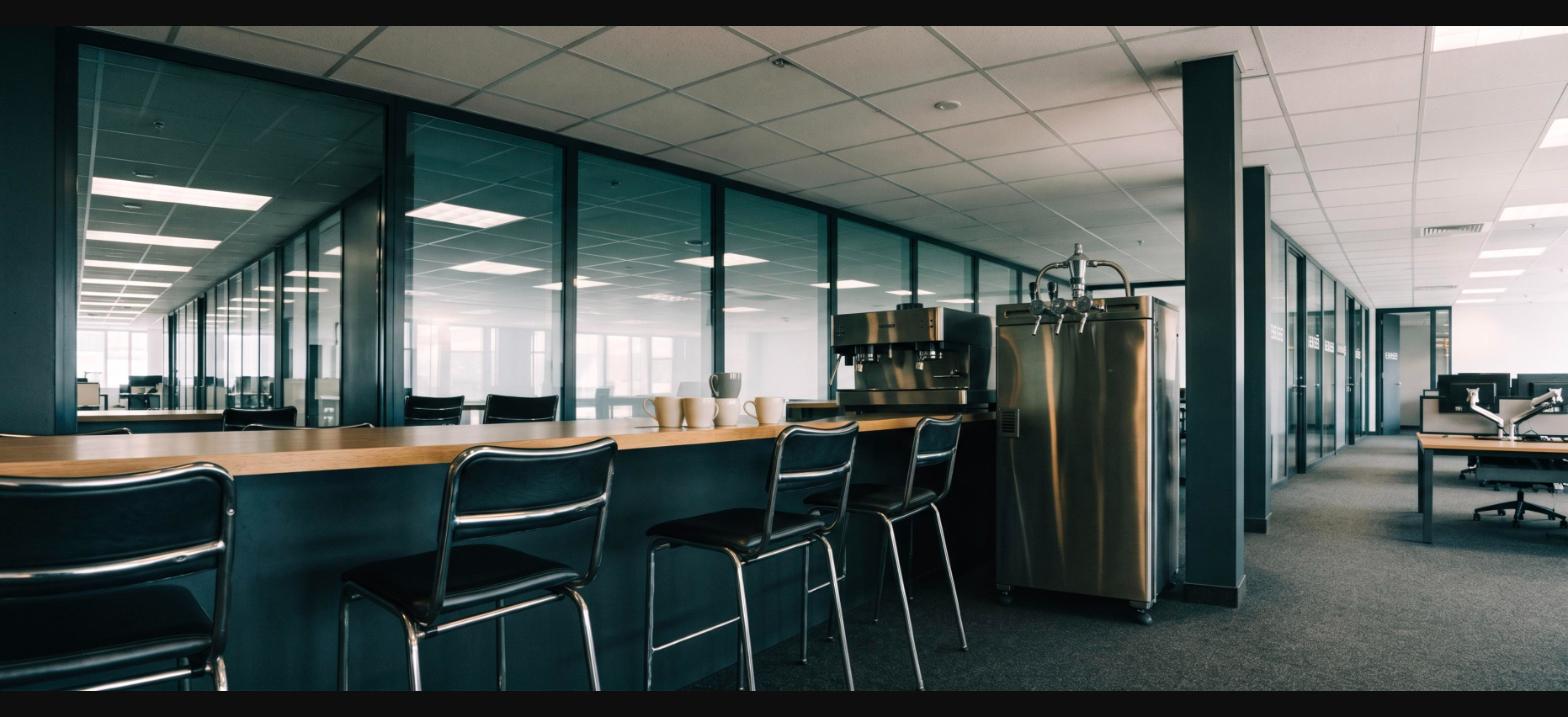
Somewhere between the espresso machine and the ping pong table, a lot of companies have put beer on tap. It photographs well on a careers page and it costs less per serve than stocking bottles. It also quietly becomes a facilities responsibility that nobody assigned to anyone.
The equipment side is straightforward. The part that catches organisations out is everything attached to it.
The Equipment Is the Easy Half
A unit holds the keg at serving temperature and pushes it to the tap with carbon dioxide. Around 38°F and 10 to 12 psi suits most lagers and ales, with line length matched to that pressure. If you are comparing units, the product pages for a refrigerated kegerator are the place to start — and for an office, prioritise a commercial-grade compressor over capacity, because it will run continuously in a warm room for years rather than seasonally in a garage.
Budget for a half-barrel to last roughly 165 twelve-ounce pours. For most offices a sixth-barrel makes more sense: less waste, more variety, and beer that does not sit open for six weeks going stale.
The CO2 Cylinder Is a Real Safety Item
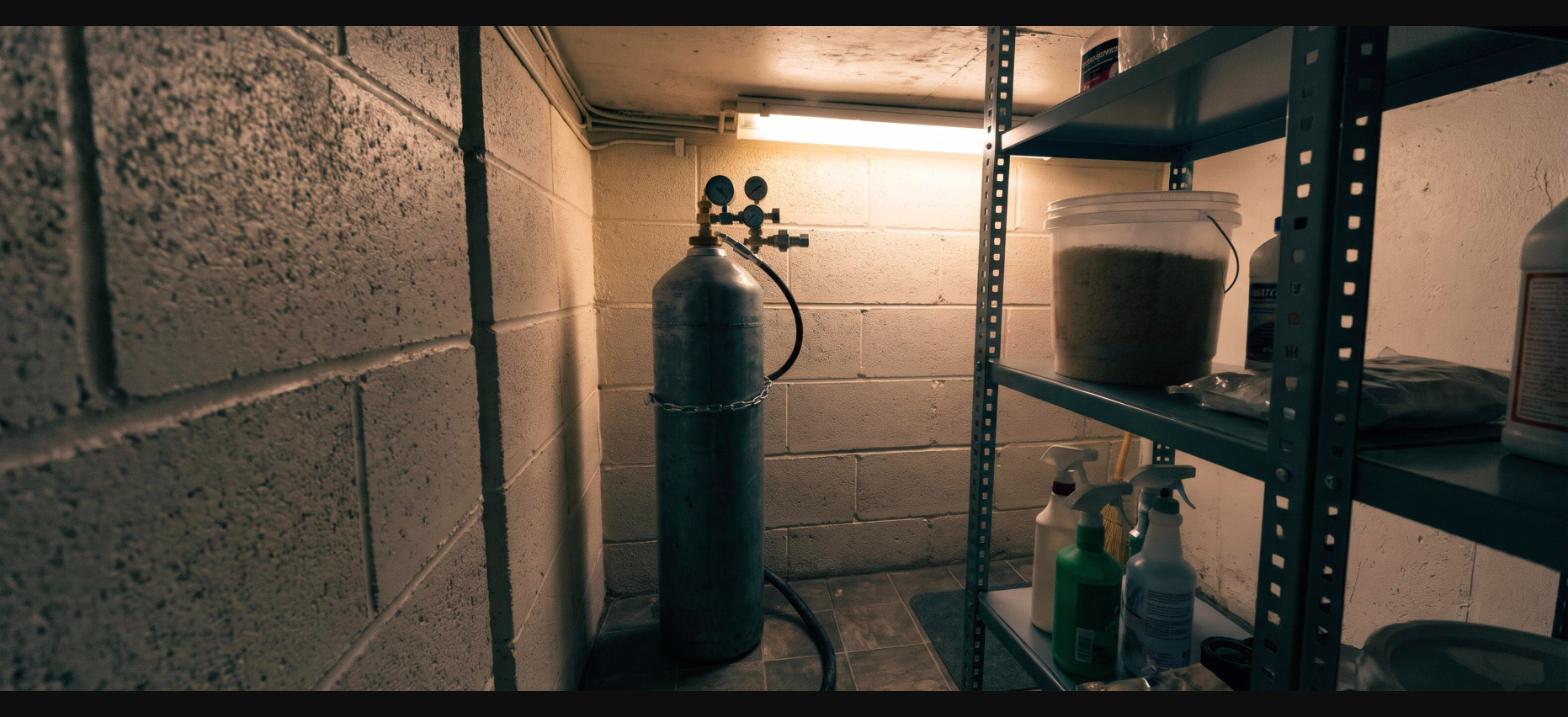
This is the part that gets skipped and genuinely should not. A pressurised CO2 cylinder needs to be secured upright — chained or strapped — because a knocked-over cylinder with a damaged valve becomes a projectile. That is standard practice in any bar cellar and it applies identically in an office.
More importantly, CO2 is heavier than air and displaces oxygen. A leaking cylinder in a small, unventilated closet is an asphyxiation hazard, and the early symptoms are drowsiness and confusion — which makes it exactly the kind of risk people fail to recognise in themselves. If the cylinder lives in a confined space, it needs ventilation, and a CO2 monitor is inexpensive insurance. Your insurer and your building manager will both want to know about it before it is installed, not after.

Watch: Kegerator Beer Line Cleaning Tutorial — 3 Different Methods (YouTube)
Someone Has to Own the Cleaning
Draught lines need cleaning every two weeks or so. Skip it and you get bacterial and yeast buildup that makes good beer taste sour — and in a shared workplace, a neglected line is a hygiene issue rather than just a quality one.
In an office this job reliably becomes nobody’s. Put it on a facilities schedule with a named owner, or contract it out the way you would the coffee machine service. “The team will sort it” is how these installations end up abandoned in eighteen months.
The Policy Question
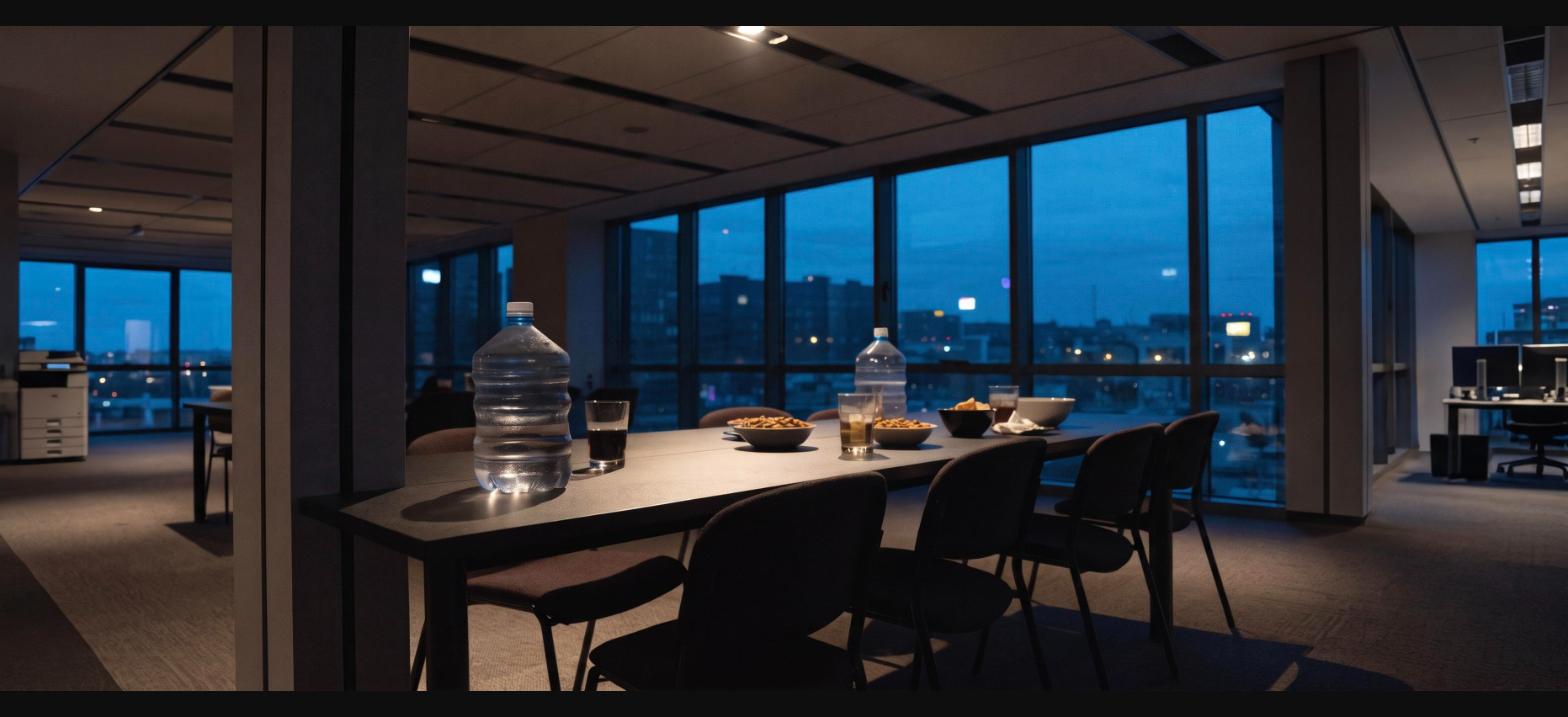
Worth saying plainly: alcohol on site changes your liability position. Dram shop laws in many states can extend employer liability to what happens after someone leaves, and self-serve taps make it considerably harder to argue you controlled consumption. Legal and your insurer should see this before it is installed.
There is a culture dimension too. Not everyone drinks — for reasons of health, religion, pregnancy or recovery — and a perk that centres the social life of a team on alcohol quietly excludes those people. The organisations that handle this well treat the tap as one option among several rather than the centrepiece, keep good non-alcoholic choices genuinely available, and make sure the real conversations do not only happen at 5pm on a Thursday around the keg.
None of that is an argument against installing one. It is an argument for deciding who owns it, where the gas goes, and what the policy is before it arrives — rather than three months later when somebody asks.