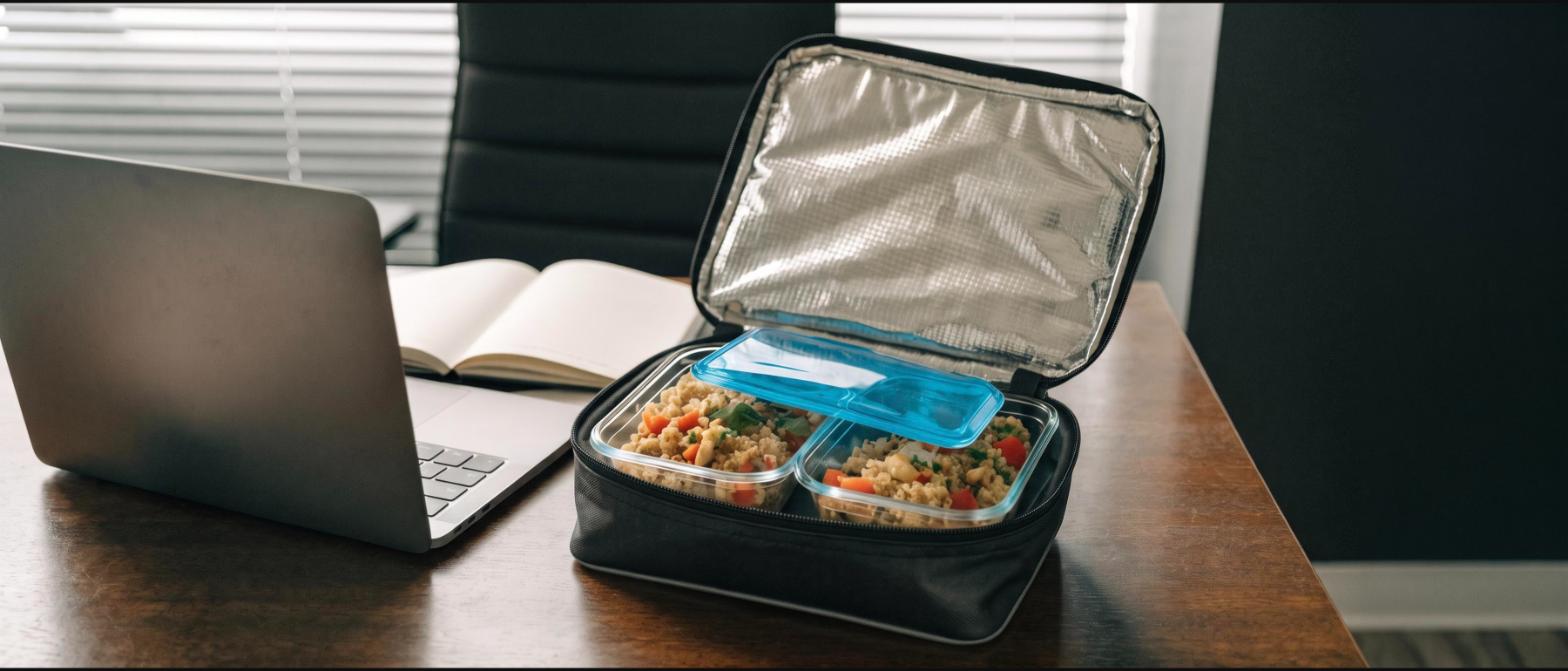
Meal prepping solves the decision problem. You cook once on Sunday, and five lunches stop competing for attention during the week. What it does not automatically solve is temperature, and that is the part people skip.
A container of chicken and grains that leaves the house at seven and gets eaten at one has spent six hours somewhere. If that somewhere is a bag under a desk or a car in a parking structure, the food has been sitting in a range where bacteria multiply fastest.
The Number That Matters
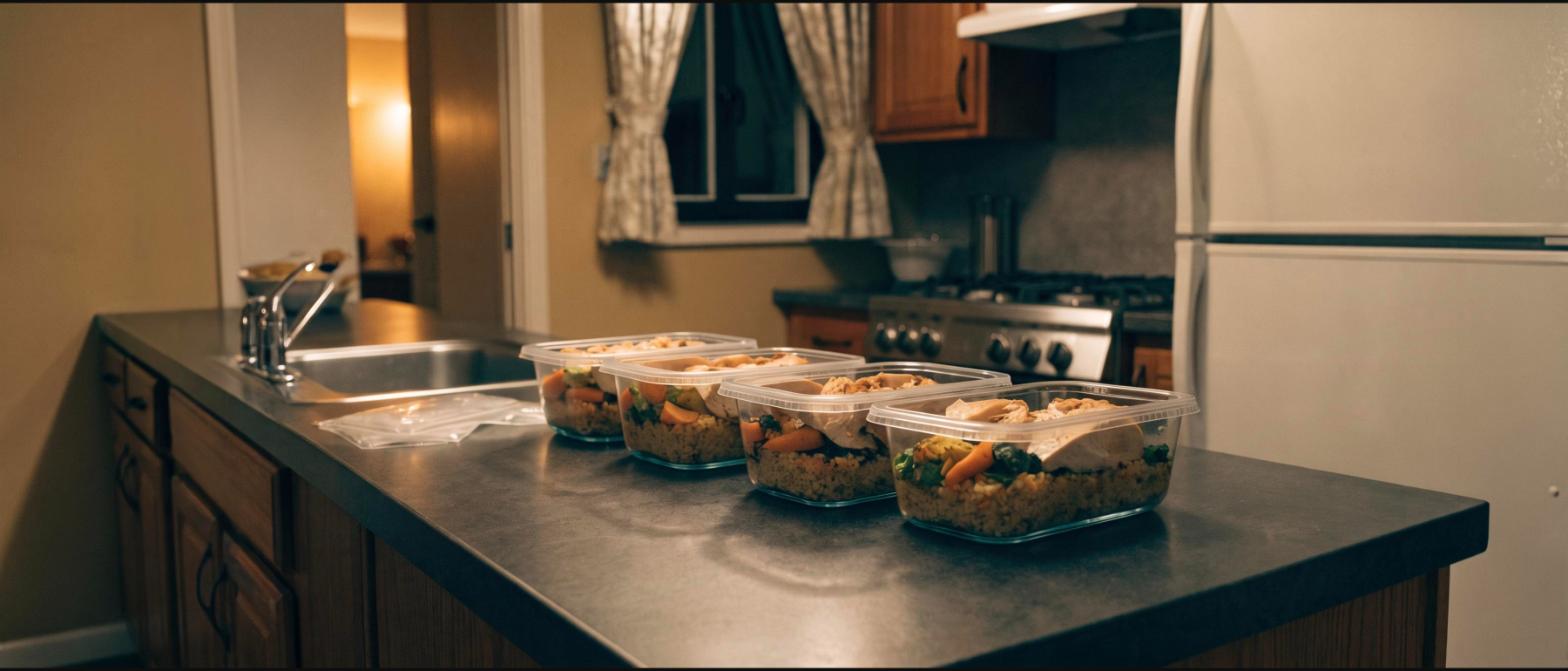
Food safety guidance puts the danger zone between 40°F and 140°F, and recommends no more than two hours in that range — one hour if ambient temperature is above 90°F. A commute, a morning of meetings, and a late lunch clears two hours comfortably.
An insulated bag on its own does not fix this. Insulation slows heat transfer; it does not remove heat. Without a cold source inside, a lunch bag is just a container that warms up more slowly than a paper sack.
What Actually Keeps It Cold
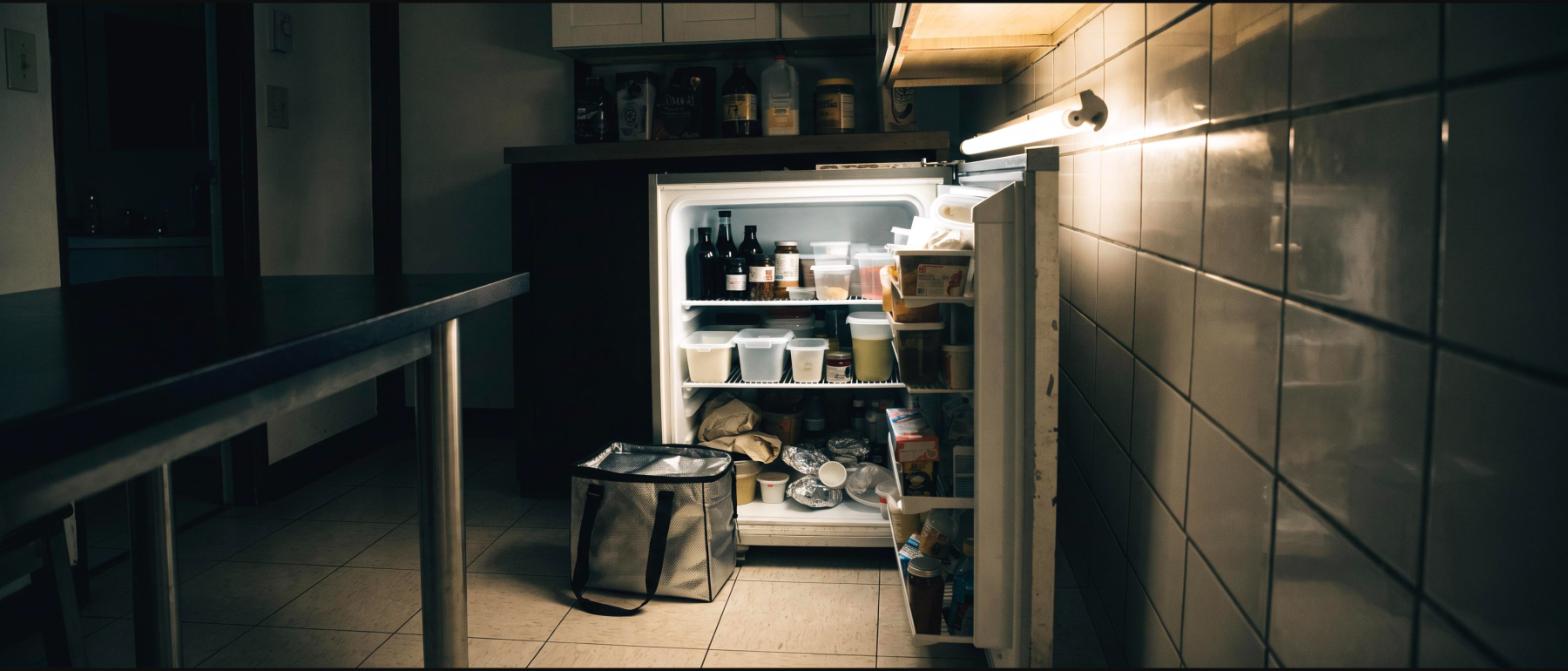
The office fridge, when it exists and has room. In practice it is often full by nine, and shared fridges frequently run warmer than they should — if you want to know whether yours is actually at 40°F, a $10 fridge thermometer will tell you in a day.
The portable answer is a reusable pack. Flat panel designs work better than the chunky rectangular ones for this use because cold transfers by contact: a flat pack laid across the top of the containers cools the whole surface, while a thick block only touches one corner. Independent testing of ice packs for coolers has found the slim panel formats outperforming better-known blocky competitors, and the same logic scales down to a lunch bag.

Watch: Does Ice Pack Temperature Matter? Testing Freeze Temps 5°–32°F (YouTube)
The Counterintuitive Part
A colder pack is not a longer-lasting pack. In head-to-head testing, a pack with a 5°F phase-change point ran out before a visually identical 32°F version. Lower freezing points are designed to keep things frozen, not to keep a cool space cool for longer — for a lunch bag you want the 32°F type.
Two habits finish the job. Chill the containers in the fridge overnight rather than packing them warm, because the pack should be maintaining a cold load, not cooling a warm one. And pack tight — empty space warms fast.
None of this is complicated. It is just the difference between a system that works every week and one that quietly stops being a good idea in July.